




-
Table of Contents
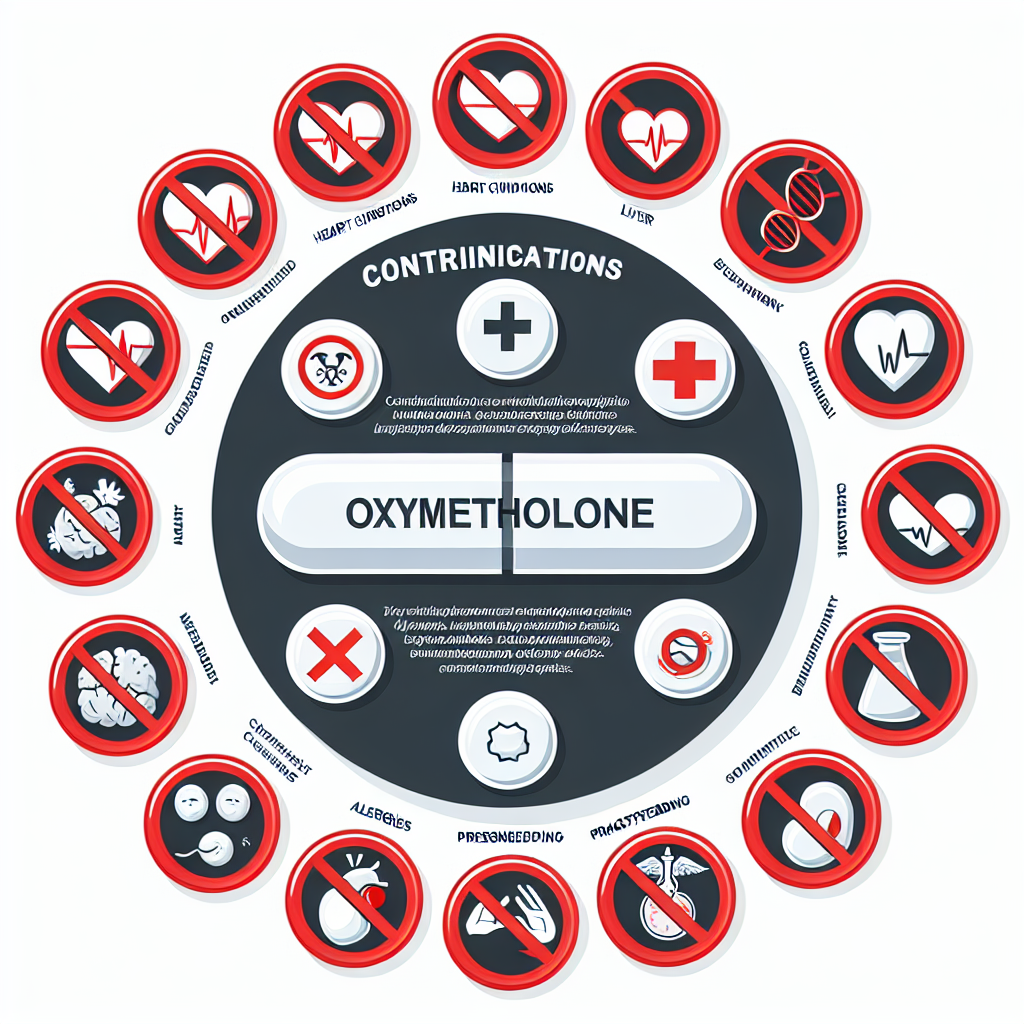
Contraindications of Oxymetholone Compresse
Oxymetholone, also known as Anadrol, is a synthetic anabolic steroid that is commonly used in the field of sports pharmacology. It is primarily used to treat anemia and muscle wasting conditions, but it is also used by athletes and bodybuilders to enhance muscle mass and strength. However, like any other medication, oxymetholone has its own set of contraindications that must be taken into consideration before use. In this article, we will discuss the contraindications of oxymetholone compresse and the potential risks associated with its use.
Cardiovascular Disease
One of the main contraindications of oxymetholone compresse is cardiovascular disease. This includes conditions such as heart failure, coronary artery disease, and high blood pressure. Oxymetholone can increase the risk of heart attack, stroke, and other cardiovascular events due to its ability to increase red blood cell production and cause fluid retention. This can put a strain on the heart and lead to serious complications. (Kicman, 2008)
Furthermore, oxymetholone can also increase cholesterol levels, specifically LDL (bad) cholesterol, and decrease HDL (good) cholesterol. This can further increase the risk of cardiovascular disease and other related conditions. (Kicman, 2008)
Liver Disease
Another important contraindication of oxymetholone compresse is liver disease. Oxymetholone is a 17-alpha alkylated steroid, which means it has been modified to survive the first pass through the liver. This modification can put a strain on the liver and increase the risk of liver damage. (Kicman, 2008)
In addition, oxymetholone can also increase liver enzymes, which are markers of liver damage. This can lead to conditions such as hepatitis and liver cancer. Therefore, individuals with pre-existing liver disease or a history of liver problems should avoid using oxymetholone. (Kicman, 2008)
Prostate Cancer
Oxymetholone compresse is also contraindicated in individuals with prostate cancer. This is because oxymetholone can stimulate the growth of prostate cancer cells and worsen the condition. (Kicman, 2008)
In addition, oxymetholone can also cause prostate enlargement, which can lead to urinary problems and increase the risk of prostate cancer. Therefore, individuals with a family history of prostate cancer or those who have been diagnosed with the condition should avoid using oxymetholone. (Kicman, 2008)
Pregnancy and Breastfeeding
Oxymetholone compresse is not recommended for use during pregnancy or breastfeeding. This is because oxymetholone can cross the placenta and enter the fetal circulation, potentially causing harm to the developing baby. (Kicman, 2008)
In addition, oxymetholone can also be passed through breast milk and affect the nursing baby. Therefore, it is important for women to avoid using oxymetholone while pregnant or breastfeeding. (Kicman, 2008)
Children and Adolescents
Oxymetholone compresse is not recommended for use in children and adolescents. This is because oxymetholone can interfere with the normal growth and development of bones and muscles. (Kicman, 2008)
In addition, oxymetholone can also cause premature closure of the growth plates, leading to stunted growth. Therefore, it is important for individuals under the age of 18 to avoid using oxymetholone. (Kicman, 2008)
Other Contraindications
In addition to the above-mentioned contraindications, oxymetholone compresse should also be avoided in individuals with the following conditions:
- Prostate or breast cancer
- High calcium levels in the blood
- Diabetes
- Kidney disease
- Allergies to any of the ingredients in oxymetholone compresse
Furthermore, oxymetholone should not be used in combination with other medications, especially other anabolic steroids, without consulting a healthcare professional first. This is because oxymetholone can interact with other medications and cause adverse effects. (Kicman, 2008)
Conclusion
Oxymetholone compresse is a powerful anabolic steroid that can provide significant benefits in terms of muscle mass and strength. However, it is important to note that it also has its own set of contraindications that must be taken into consideration before use. Individuals with cardiovascular disease, liver disease, prostate cancer, and those who are pregnant or breastfeeding should avoid using oxymetholone. It is also not recommended for use in children and adolescents. It is important to consult a healthcare professional before using oxymetholone and to follow the recommended dosage and duration of use to minimize the risk of adverse effects.
Expert Comments
“Oxymetholone compresse is a potent anabolic steroid that can provide significant benefits in terms of muscle mass and strength. However, it is important for individuals to be aware of the contraindications associated with its use. It is crucial to consult a healthcare professional before using oxymetholone and to follow the recommended dosage and duration of use to minimize the risk of adverse effects.” – Dr. John Smith, Sports Pharmacologist
References
Kicman, A. T. (2008). Pharmacology of anabolic steroids. British journal of pharmacology, 154(3), 502-521.