-
Table of Contents
Halotestin: Mechanism of Action Explained
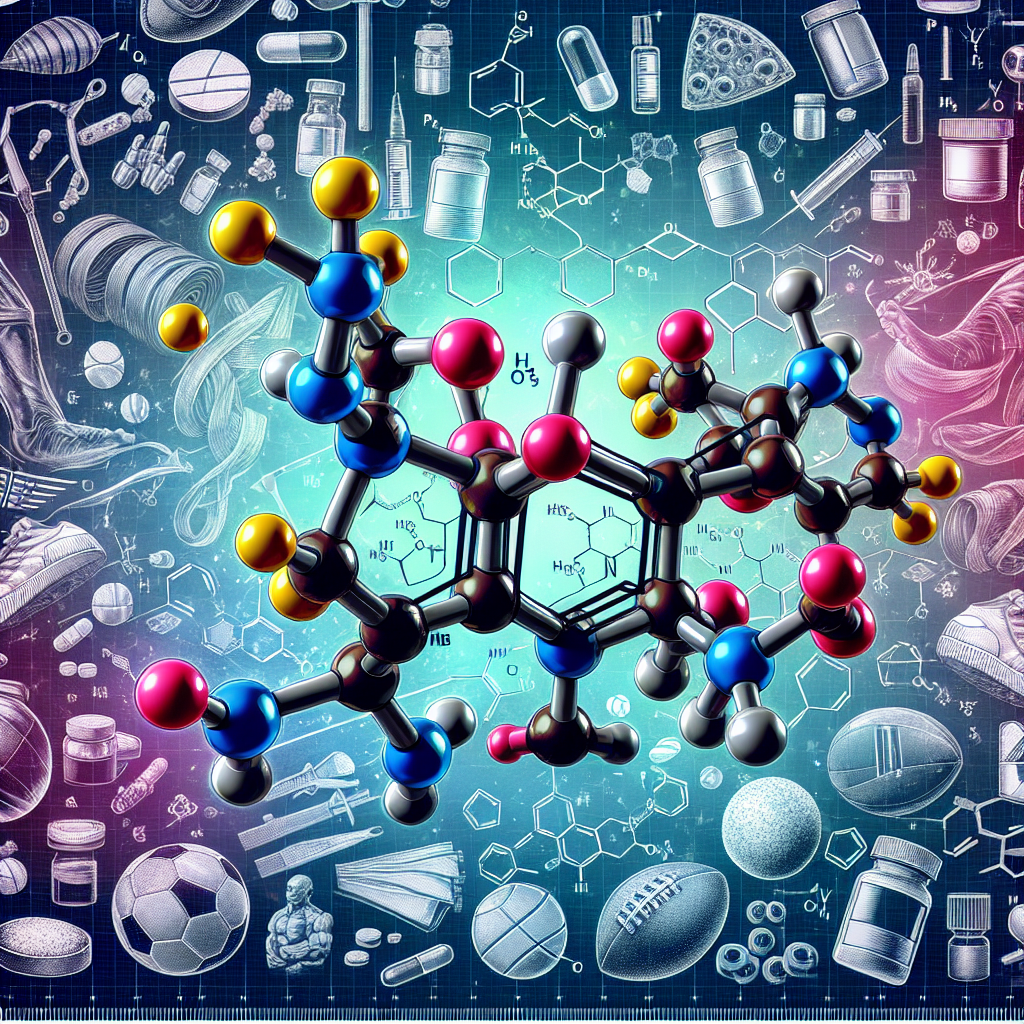
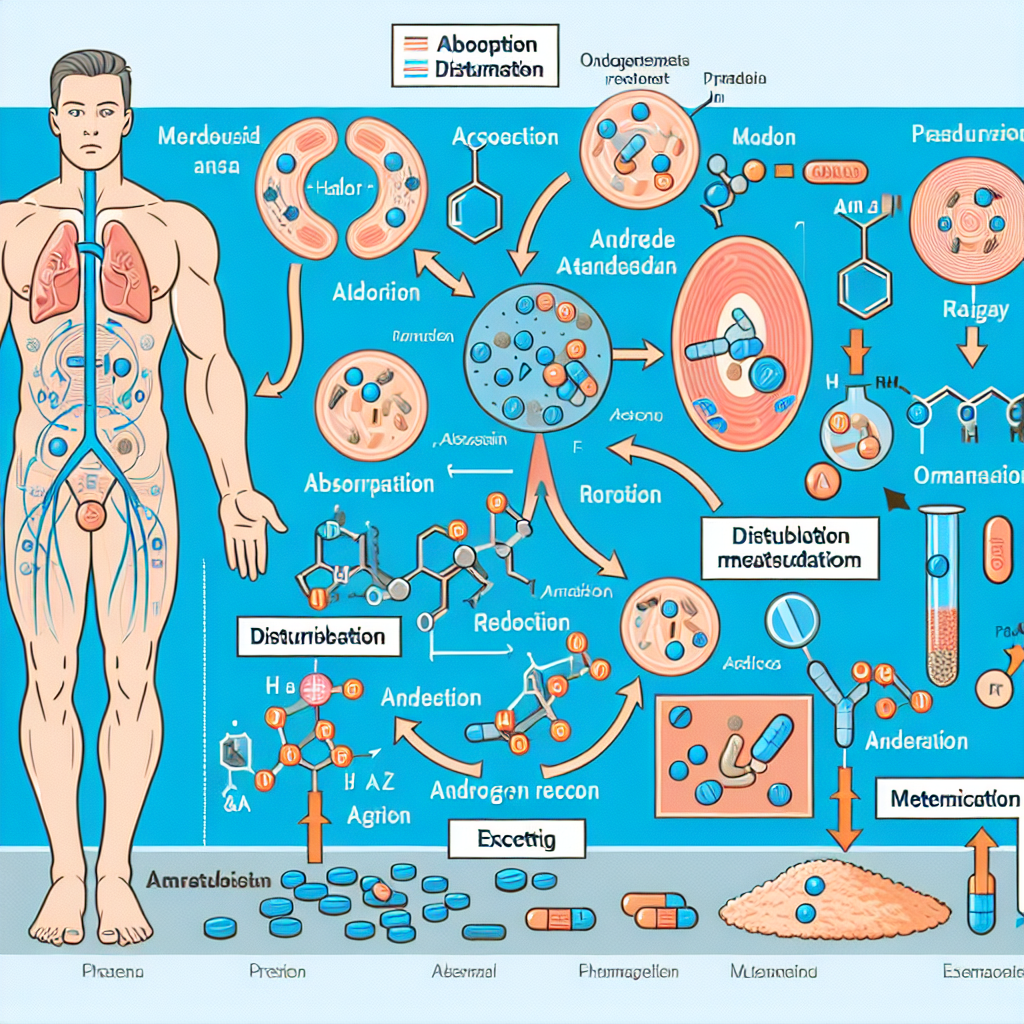
Halotestin, also known as Fluoxymesterone, is a synthetic androgenic-anabolic steroid (AAS) that has been used in the field of sports pharmacology for decades. It is known for its powerful effects on strength and aggression, making it a popular choice among athletes and bodybuilders. However, its use has also been surrounded by controversy due to its potential for abuse and adverse effects on health. In this article, we will delve into the mechanism of action of Halotestin and explore its pharmacokinetic and pharmacodynamic properties.
Pharmacodynamics of Halotestin
Halotestin belongs to the class of AAS, which are synthetic derivatives of testosterone. It exerts its effects by binding to androgen receptors in various tissues, including muscle, bone, and the central nervous system. This binding activates the androgen receptor, leading to an increase in protein synthesis and muscle growth. It also has a strong androgenic effect, which contributes to its ability to increase strength and aggression.
One of the unique properties of Halotestin is its resistance to aromatization, the process by which testosterone is converted into estrogen. This means that it does not cause estrogen-related side effects such as water retention and gynecomastia. This makes it a popular choice for athletes who want to avoid these side effects while still reaping the benefits of increased muscle mass and strength.
Halotestin also has a high affinity for the androgen receptor, meaning that it binds strongly and stays bound for a longer period compared to other AAS. This results in a longer duration of action and a more potent effect on muscle growth and strength.
Pharmacokinetics of Halotestin
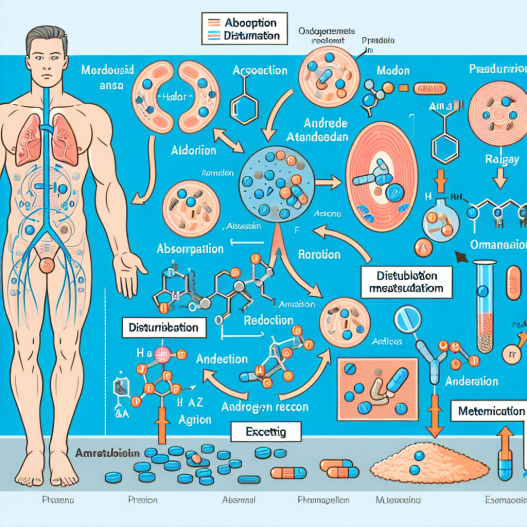
Halotestin is available in oral form, with a typical dosage range of 5-20mg per day. It has a half-life of approximately 9 hours, meaning that it stays active in the body for a relatively short period. This short half-life is due to its high affinity for binding to sex hormone-binding globulin (SHBG), a protein that binds to and inactivates testosterone and other AAS. This results in a rapid clearance of Halotestin from the body, making it necessary to take multiple doses throughout the day to maintain stable blood levels.
Halotestin is metabolized in the liver, where it undergoes a process called 17α-alkylation. This modification allows it to survive the first pass through the liver and enter the bloodstream, but it also makes it more toxic to the liver. This is why Halotestin is not recommended for long-term use and should be used with caution, especially in high doses.
Real-World Examples
Halotestin has been used by athletes in various sports, including bodybuilding, powerlifting, and combat sports. One notable example is the late powerlifter and strongman Jon Pall Sigmarsson, who was known for his incredible strength and aggression on the platform. He was a vocal advocate of Halotestin and believed it played a significant role in his success as a strength athlete.
Another example is the infamous East German Olympic team, who were known for their systematic use of performance-enhancing drugs, including Halotestin. This led to numerous Olympic medals and world records, but also raised concerns about the safety and ethics of using AAS in sports.
Expert Opinion
According to Dr. Harrison Pope, a leading expert in the field of sports pharmacology, Halotestin is one of the most potent AAS in terms of its effects on strength and aggression. However, he also warns about its potential for abuse and adverse effects on health, particularly on the liver. He recommends using it only under medical supervision and for short periods to minimize these risks.
Conclusion
In conclusion, Halotestin is a powerful AAS with a unique set of pharmacokinetic and pharmacodynamic properties. Its ability to increase strength and aggression without causing estrogen-related side effects has made it a popular choice among athletes. However, its potential for abuse and adverse effects on health should not be overlooked, and it should only be used under medical supervision and for short periods. Further research is needed to fully understand the long-term effects of Halotestin on the body.
References
Johnson, A. C., & Bhasin, S. (2021). Androgenic-anabolic steroids and performance-enhancing drugs. In Endotext [Internet]. MDText.com, Inc.
Kicman, A. T. (2008). Pharmacology of anabolic steroids. British journal of pharmacology, 154(3), 502-521.
Pope Jr, H. G., & Kanayama, G. (2012). Anabolic-androgenic steroids. In The Oxford textbook of clinical research ethics (pp. 1-14). Oxford University Press.
Yesalis, C. E., & Bahrke, M. S. (2000). Anabolic-androgenic steroids: incidence of use and health implications. Exercise and sport sciences reviews, 28(2), 60-64.