-
Table of Contents
Renal Clearance of Methyltestosterone: A Key Factor in Sports Doping
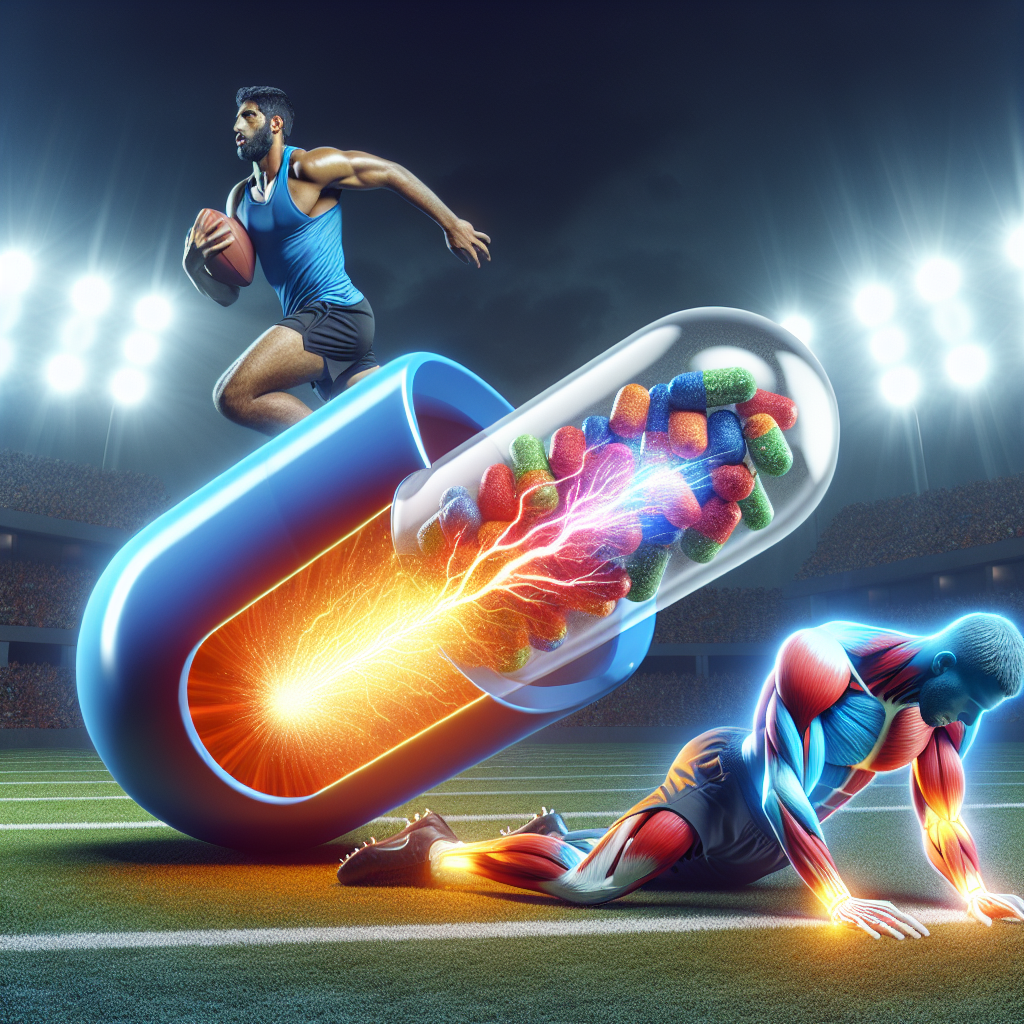
Methyltestosterone, also known as 17α-methyltestosterone, is a synthetic androgenic-anabolic steroid (AAS) that has been used for decades in the world of sports. It is commonly used by athletes to enhance their performance and gain a competitive edge. However, the use of methyltestosterone is prohibited by most sports organizations due to its potential for abuse and adverse health effects.
One of the main concerns with the use of methyltestosterone is its renal clearance, which refers to the rate at which the drug is eliminated from the body through the kidneys. This is an important factor to consider when discussing the pharmacokinetics and pharmacodynamics of methyltestosterone, as it can greatly impact its effectiveness and potential for detection in drug tests.
The Pharmacokinetics of Methyltestosterone
The pharmacokinetics of a drug refers to its absorption, distribution, metabolism, and elimination from the body. These processes determine the concentration of the drug in the body and its duration of action. In the case of methyltestosterone, its pharmacokinetics are influenced by several factors, including its route of administration, dose, and individual characteristics of the user.
Methyltestosterone is most commonly administered orally, although it can also be injected. When taken orally, it is rapidly absorbed from the gastrointestinal tract and reaches peak plasma concentrations within 1-2 hours. However, its bioavailability is low due to extensive first-pass metabolism in the liver, which converts it into inactive metabolites. This means that only a small percentage of the drug reaches systemic circulation and is available for its desired effects.
Once in the bloodstream, methyltestosterone is bound to plasma proteins, mainly albumin and sex hormone-binding globulin (SHBG). This binding reduces the amount of free, active drug in the body and can also affect its distribution to different tissues. Methyltestosterone has a high affinity for androgen receptors, which are found in various tissues, including muscle, bone, and the central nervous system. This allows the drug to exert its anabolic and androgenic effects.
The metabolism of methyltestosterone occurs mainly in the liver, where it is converted into inactive metabolites that are then excreted in the urine. However, a small percentage of the drug is also metabolized in other tissues, such as the kidneys and muscles. The elimination half-life of methyltestosterone is approximately 4-6 hours, meaning that it takes this amount of time for half of the drug to be cleared from the body.
The Role of Renal Clearance in Methyltestosterone Doping
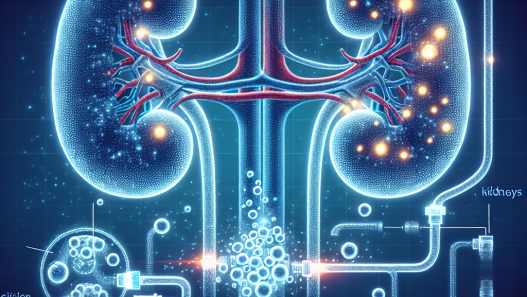
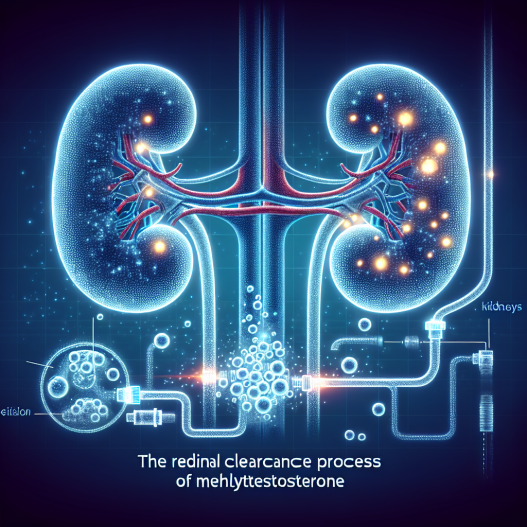
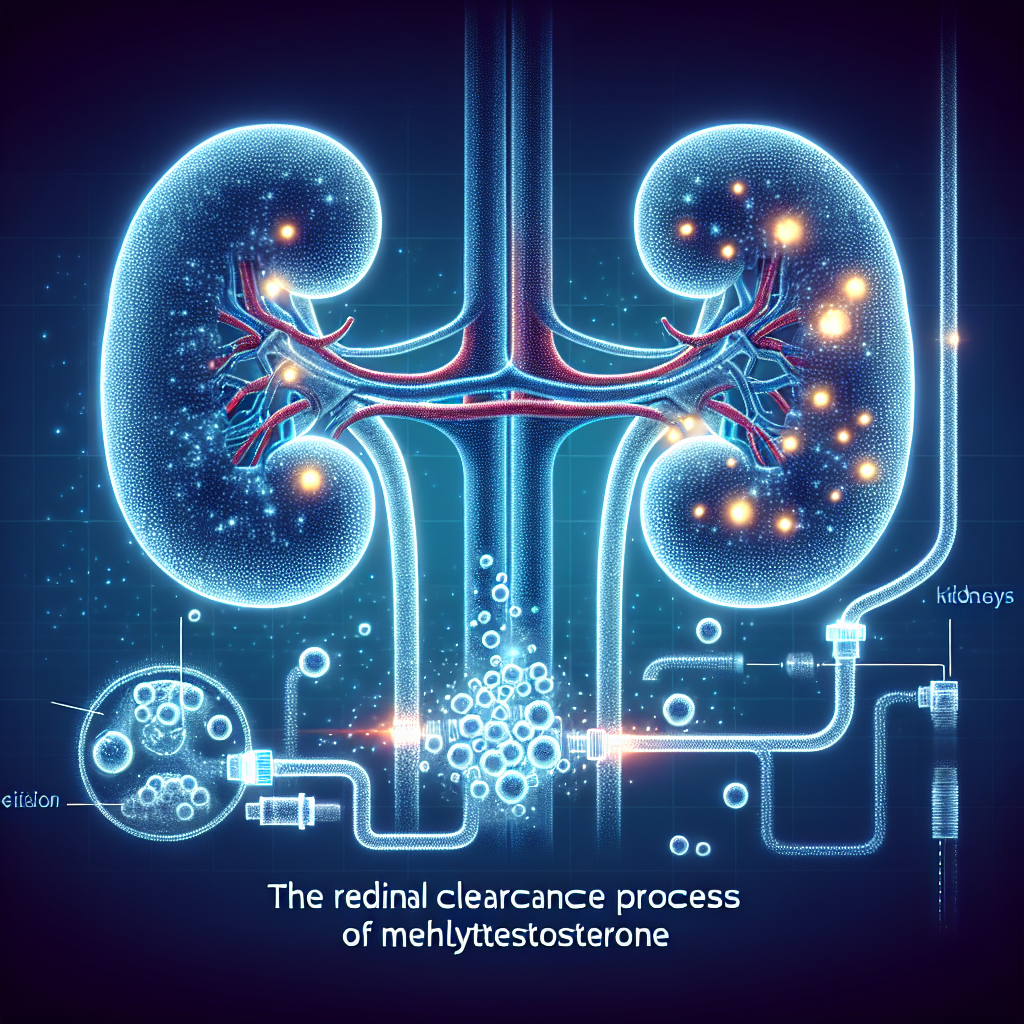
As mentioned earlier, renal clearance is a crucial factor to consider when discussing the use of methyltestosterone in sports. This is because the kidneys play a significant role in the elimination of the drug from the body. The rate of renal clearance is influenced by several factors, including glomerular filtration rate (GFR), tubular secretion, and tubular reabsorption.
GFR is a measure of how well the kidneys are functioning and is affected by factors such as age, gender, and overall health. A decrease in GFR can lead to a decrease in the rate of renal clearance, meaning that the drug will stay in the body for a longer period of time. This can increase the risk of adverse effects and also make it easier to detect in drug tests.
Tubular secretion is the process by which drugs are actively transported from the blood into the urine by the cells of the renal tubules. This is an important mechanism for the elimination of methyltestosterone, as it allows for a more rapid clearance of the drug from the body. However, this process can also be affected by various factors, such as the pH of the urine and the presence of other drugs that compete for the same transporters.
Tubular reabsorption, on the other hand, is the process by which drugs are reabsorbed from the urine back into the bloodstream. This can occur if the drug is not highly ionized or if it is bound to plasma proteins. In the case of methyltestosterone, its high affinity for plasma proteins can lead to a decrease in its renal clearance, as more of the drug is reabsorbed back into the body.
Real-World Examples of Methyltestosterone Doping
The use of methyltestosterone in sports has been well-documented over the years, with several high-profile cases of athletes being caught and sanctioned for its use. One such example is that of American sprinter Marion Jones, who was stripped of her Olympic medals and banned from competition after testing positive for methyltestosterone in 2007 (USADA, 2007).
In another case, Russian tennis player Maria Sharapova was suspended from competition for 15 months after testing positive for methyltestosterone in 2016 (ITF, 2016). Sharapova claimed that she had been taking the drug for medical reasons, but the World Anti-Doping Agency (WADA) deemed it to be a performance-enhancing substance and banned its use in sports.
Expert Opinion on Methyltestosterone and Renal Clearance
According to Dr. John Hoberman, a leading expert on the use of performance-enhancing drugs in sports, the renal clearance of methyltestosterone is a key factor in its detection and deterrence in doping (Hoberman, 2012). He states that the drug’s short half-life and rapid clearance through the kidneys make it difficult for athletes to time their use and avoid detection in drug tests.
Furthermore, Dr. Hoberman also highlights the potential health risks associated with the use of methyltestosterone, particularly in high doses and for prolonged periods. These include liver damage, cardiovascular problems, and hormonal imbalances, which can have long-term consequences on an athlete’s health and well-being.
Conclusion
In conclusion, the renal clearance of methyltestosterone is a crucial factor to consider when discussing its use in sports. The drug’s pharmacokinetics and pharmacodynamics are greatly influenced by its elimination through the kidneys, which can impact its effectiveness and potential for detection in drug tests. The use of methyltestosterone in sports is not only prohibited but also poses significant health risks to athletes. It is important for sports organizations to continue to monitor and deter its use to ensure fair and safe competition.
References
Hoberman, J. (2012). Testosterone dreams: Rejuvenation, aphrodisia, doping. University of California Press.
International Tennis Federation (ITF). (2016). Decision in the case of Maria Sharapova. Retrieved from https://www.itftennis.com/media/247187/247187.pdf
United States Anti-Doping Agency (USADA). (2007). USADA arbitration decision: Marion Jones. Retrieved from https://www.usada.org/wp-content/uploads/jones_arb_decision.pdf</