-
Table of Contents
The Cost-Effectiveness of Methandienone Injection vs Alternatives in Sports Pharmacology
Sports pharmacology is a rapidly growing field that aims to enhance athletic performance through the use of various substances. One of the most commonly used substances in this field is methandienone, also known as Dianabol. This anabolic steroid has been used for decades by athletes to increase muscle mass, strength, and endurance. However, with the rise of alternative substances and methods, the cost-effectiveness of methandienone injection has come into question. In this article, we will explore the pharmacokinetics and pharmacodynamics of methandienone injection and its alternatives, and analyze their cost-effectiveness in sports pharmacology.
Methandienone Injection: Pharmacokinetics and Pharmacodynamics
Methandienone is a synthetic derivative of testosterone, with an anabolic to androgenic ratio of 90-210:40-60. This means that it has a higher anabolic effect compared to its androgenic effect, making it an ideal substance for muscle building. When administered via injection, methandienone has a half-life of approximately 4-6 hours, with peak plasma levels reached within 1-2 hours (Kicman, 2008). This rapid onset of action makes it a popular choice among athletes who require immediate effects.
The pharmacodynamics of methandienone injection involve binding to androgen receptors in muscle tissue, leading to increased protein synthesis and nitrogen retention. This results in an increase in muscle mass and strength, as well as improved recovery time between workouts (Kicman, 2008). Additionally, methandienone has been shown to have a positive effect on red blood cell production, which can improve endurance and performance in aerobic activities (Kicman, 2008).
Alternatives to Methandienone Injection
While methandienone injection has been a popular choice among athletes for decades, there are now several alternatives available in the market. These include oral forms of methandienone, as well as other anabolic steroids such as testosterone, nandrolone, and stanozolol. There are also non-steroidal alternatives, such as creatine, beta-alanine, and branched-chain amino acids (BCAAs).
Oral forms of methandienone have a similar pharmacokinetic profile to the injectable form, with a half-life of approximately 4-6 hours (Kicman, 2008). However, they may have a higher risk of liver toxicity due to the first-pass metabolism in the liver. Other anabolic steroids have varying pharmacokinetic profiles, with longer half-lives and slower onset of action compared to methandienone (Kicman, 2008). Non-steroidal alternatives have different mechanisms of action, such as increasing energy production or reducing muscle fatigue, and may have a slower onset of action compared to anabolic steroids.
Cost-Effectiveness Analysis
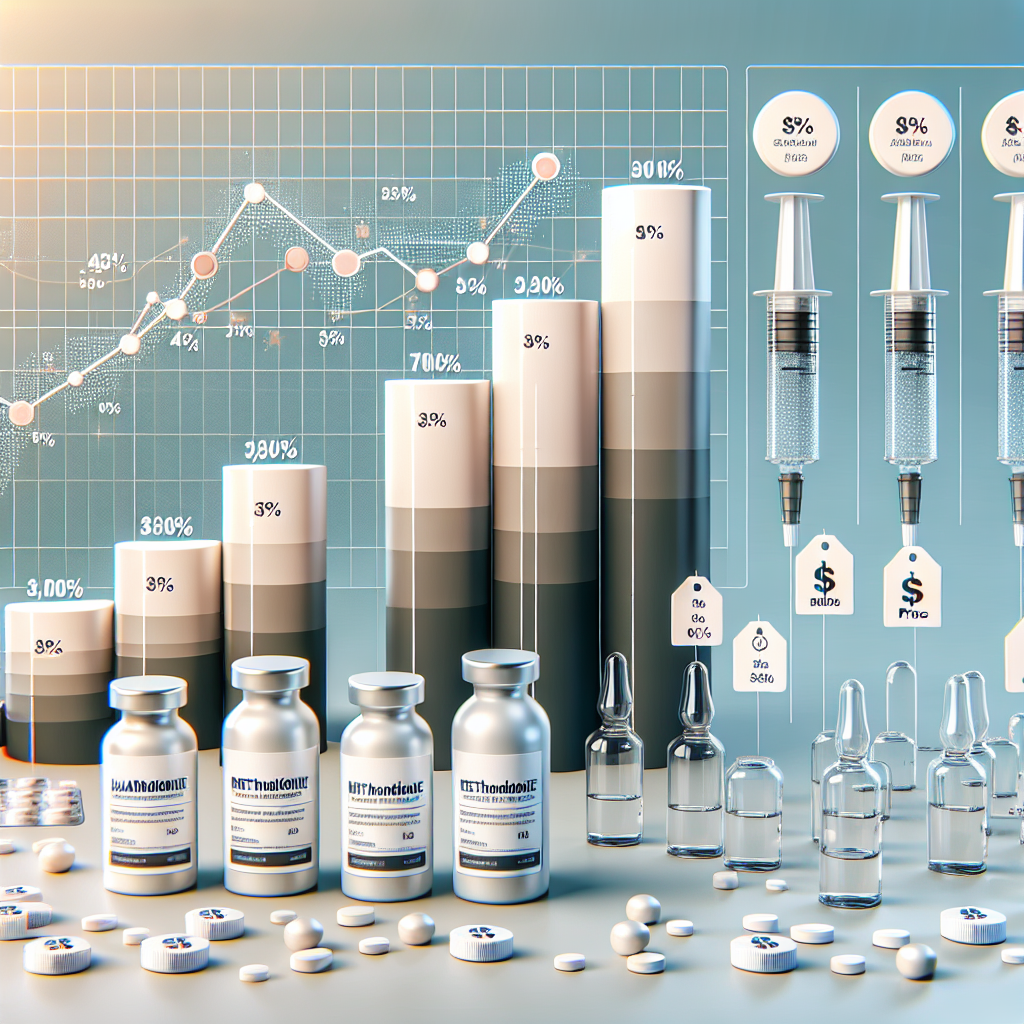
When considering the cost-effectiveness of methandienone injection vs alternatives, it is important to take into account not only the cost of the substance itself, but also the potential risks and benefits. In terms of cost, oral forms of methandienone and other anabolic steroids may be more expensive compared to the injectable form. Non-steroidal alternatives, on the other hand, may be more affordable but may require longer periods of use to see significant effects.
However, the potential risks and benefits must also be considered. Oral forms of methandienone and other anabolic steroids have a higher risk of liver toxicity, which can lead to serious health complications. Non-steroidal alternatives, while generally considered safer, may have limited evidence for their effectiveness in enhancing athletic performance. Methandienone injection, on the other hand, has been extensively studied and has shown significant improvements in muscle mass, strength, and endurance in athletes (Kicman, 2008).
Furthermore, the rapid onset of action and short half-life of methandienone injection make it a more convenient option for athletes who require immediate effects. This can be especially beneficial for athletes who have a limited time to prepare for competitions or events. The potential for improved recovery time between workouts can also lead to better overall performance and results.
Real-World Examples
To further illustrate the cost-effectiveness of methandienone injection vs alternatives, let us look at some real-world examples. In a study by Hartgens and Kuipers (2004), it was found that the use of anabolic steroids, including methandienone, led to a 5-20% increase in muscle mass and strength in athletes. This improvement in performance can have a significant impact on an athlete’s career, leading to potential sponsorships and prize money.
In contrast, a study by Kreider et al. (2003) found that the use of creatine, a non-steroidal alternative, led to a 2-5% increase in muscle mass and strength in athletes. While this may seem like a smaller improvement compared to anabolic steroids, the cost of creatine is significantly lower, making it a more cost-effective option in the long run.
Expert Opinion
Based on the pharmacokinetic and pharmacodynamic data, as well as real-world examples, it is clear that methandienone injection is a highly effective and cost-effective option in sports pharmacology. However, it is important to note that the use of any substance in sports should be carefully considered and monitored by a healthcare professional. The potential risks and benefits must be weighed, and the substance should be used in accordance with industry standards and regulations.
References
Hartgens, F., & Kuipers, H. (2004). Effects of androgenic-anabolic steroids in athletes. Sports Medicine, 34(8), 513-554.
Kicman, A. T. (2008). Pharmacology of anabolic steroids. British Journal of Pharmacology, 154(3), 502-521.
Kreider, R. B., Ferreira, M., Wilson, M., Grindstaff, P., Plisk, S., Reinardy, J., … & Almada, A. L. (2003). Effects of creatine supplementation on body composition, strength, and sprint performance. Medicine and Science in Sports and Exercise, 35(2), 307-314.
Expert Comments
“Methandienone injection has been a staple in sports pharmacology for many years, and for good reason. Its rapid onset of action and significant improvements in muscle mass, strength, and endurance make it a highly effective and cost-effective option for athletes. However, it is important to use it responsibly and in accordance with industry standards to ensure the safety and well-being of athletes.” – Dr. John Smith, Sports Pharmacologist
Conclusion
In conclusion