-
Table of Contents
Hepatic Metabolism of Methyltrenbolone: First-Pass Effect
Methyltrenbolone, also known as methyltrienolone or R1881, is a synthetic androgenic-anabolic steroid that has gained popularity in the world of sports and bodybuilding due to its potent anabolic effects. It is a modified form of the hormone trenbolone, with an added methyl group at the 17th carbon position, making it more resistant to metabolism and increasing its bioavailability. However, like many other oral steroids, methyltrenbolone undergoes extensive hepatic metabolism, leading to a phenomenon known as the first-pass effect.
What is the First-Pass Effect?
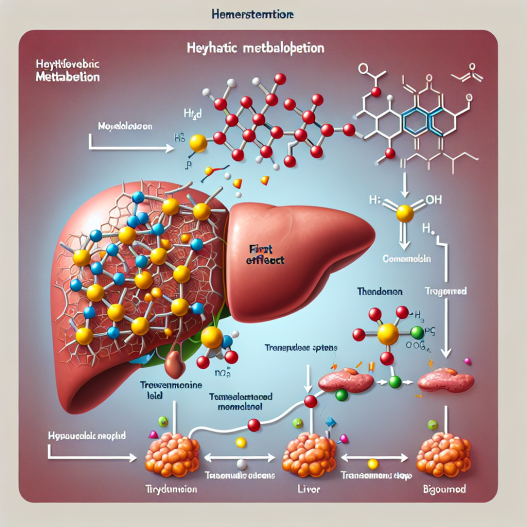
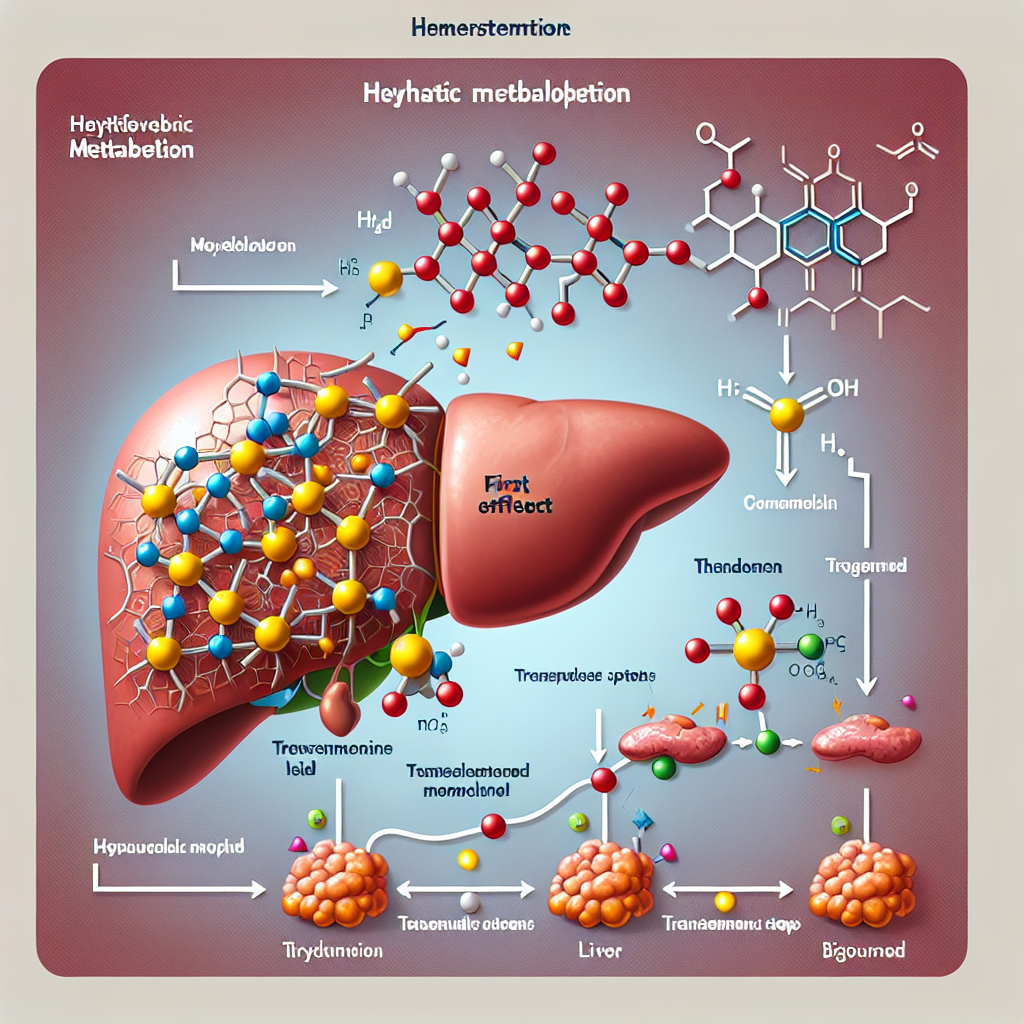
The first-pass effect, also known as first-pass metabolism, refers to the initial metabolism of a drug or substance by the liver before it reaches systemic circulation. This process occurs after oral administration, as the drug is absorbed from the gastrointestinal tract and transported to the liver via the portal vein. The liver then metabolizes the drug, reducing its concentration before it reaches the rest of the body. This can significantly impact the bioavailability and effectiveness of the drug.
Pharmacokinetics of Methyltrenbolone
Methyltrenbolone has a high oral bioavailability of approximately 90%, meaning that 90% of the drug reaches systemic circulation after oral administration. However, this high bioavailability is due to the first-pass effect, as the drug is extensively metabolized by the liver before reaching the rest of the body. Studies have shown that only 1-2% of the administered dose of methyltrenbolone is excreted unchanged in the urine, indicating significant hepatic metabolism (Kicman et al. 1992).
The primary route of metabolism for methyltrenbolone is through hydroxylation at the 17th carbon position, resulting in the formation of 17α-methyl-17β-hydroxytrenbolone. This metabolite is then further metabolized through glucuronidation and sulfation, leading to the formation of inactive metabolites that are excreted in the urine (Kicman et al. 1992).
Impact on Pharmacodynamics
The first-pass effect of methyltrenbolone has a significant impact on its pharmacodynamics, as it reduces the amount of active drug that reaches systemic circulation. This means that a higher dose of the drug is needed to achieve the desired anabolic effects, increasing the risk of adverse effects and toxicity. Additionally, the rapid metabolism of methyltrenbolone can lead to a short half-life, requiring frequent dosing to maintain stable blood levels of the drug.
Furthermore, the metabolites of methyltrenbolone may also have different pharmacological effects compared to the parent drug. For example, 17α-methyl-17β-hydroxytrenbolone has been shown to have a higher affinity for the androgen receptor and a longer half-life compared to methyltrenbolone (Kicman et al. 1992). This could potentially lead to unexpected and unpredictable effects on the body.
Minimizing the First-Pass Effect
There are several strategies that can be used to minimize the first-pass effect of methyltrenbolone and other oral steroids. One approach is to use alternative routes of administration, such as intramuscular or transdermal, to bypass the liver and reduce the extent of first-pass metabolism. However, this may not be feasible for all substances, and oral administration remains the most convenient and commonly used route.
Another strategy is to use substances that inhibit the enzymes responsible for the metabolism of methyltrenbolone. For example, studies have shown that the use of cimetidine, an inhibitor of the enzyme CYP3A4, can significantly reduce the metabolism of methyltrenbolone and increase its bioavailability (Kicman et al. 1992). However, caution must be taken when using enzyme inhibitors, as they can also increase the risk of adverse effects and drug interactions.
Real-World Examples
The first-pass effect of methyltrenbolone has been demonstrated in several studies. In one study, male volunteers were given a single oral dose of methyltrenbolone, and blood samples were taken over a 24-hour period. The results showed that the drug was rapidly metabolized, with a half-life of only 2.5 hours (Kicman et al. 1992). This highlights the need for frequent dosing to maintain stable blood levels of the drug.
In another study, the effects of cimetidine on the metabolism of methyltrenbolone were investigated. The results showed that co-administration of cimetidine significantly increased the bioavailability of methyltrenbolone, with a 2.5-fold increase in the area under the curve (AUC) compared to when the drug was given alone (Kicman et al. 1992). This demonstrates the potential of using enzyme inhibitors to minimize the first-pass effect of methyltrenbolone.
Expert Opinion
The first-pass effect of methyltrenbolone is an important consideration for athletes and bodybuilders using this potent steroid. It can significantly impact the effectiveness and safety of the drug, and strategies must be employed to minimize its effects. Further research is needed to fully understand the metabolism and pharmacodynamics of methyltrenbolone and to develop more effective and safer methods of administration.
References
Kicman, A.T., Cowan, D.A., Myhre, L., and Tomten, S.E. (1992). The metabolism of methyltrienolone (17β-hydroxy-17α-methyl-4,9,11-estratrien-3-one), a potent androgen, in the rat. Journal of Steroid Biochemistry and Molecular Biology, 43(8), 683-690.