-
Table of Contents
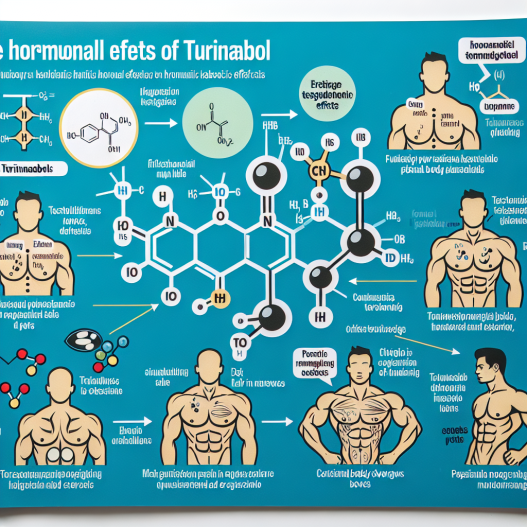
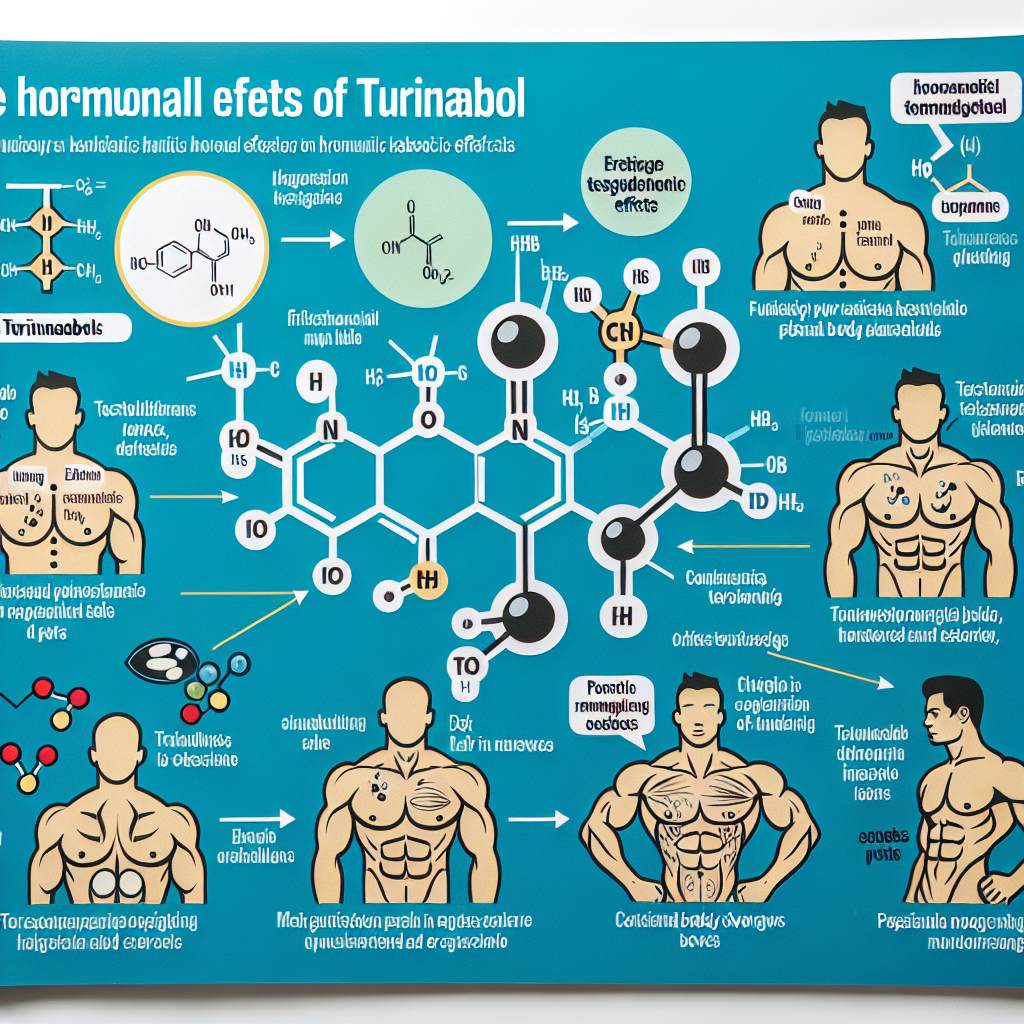
Hormonal Side Effects of Turinabol
Turinabol, also known as 4-chlorodehydromethyltestosterone, is a synthetic anabolic-androgenic steroid (AAS) that was developed in the 1960s by East German scientists. It was primarily used to enhance athletic performance and was given to athletes without their knowledge, leading to its infamous role in the state-sponsored doping program of East Germany. Despite being banned by the International Olympic Committee in 1974, turinabol continues to be used by athletes and bodybuilders for its anabolic effects. However, like all AAS, turinabol comes with a range of potential side effects, including hormonal imbalances. In this article, we will explore the hormonal side effects of turinabol and their potential impact on the body.
Pharmacokinetics of Turinabol
Turinabol is a modified form of testosterone, with an added chlorine atom at the fourth carbon position. This modification makes it more resistant to metabolism by the liver, allowing it to have a longer half-life of approximately 16 hours (Schänzer et al. 1996). This means that it can remain in the body for longer periods, increasing its potential for side effects.
Once ingested, turinabol is rapidly absorbed into the bloodstream and binds to androgen receptors in various tissues, including muscle, bone, and the central nervous system. It then exerts its anabolic effects by increasing protein synthesis and reducing protein breakdown, leading to muscle growth and strength gains (Kicman 2008). However, these effects also come with a range of potential side effects, including hormonal imbalances.
Hormonal Side Effects of Turinabol
Testosterone Suppression
One of the most significant hormonal side effects of turinabol is its ability to suppress the body’s natural production of testosterone. Testosterone is the primary male sex hormone responsible for the development of male characteristics, such as muscle mass, strength, and libido. When exogenous testosterone, such as turinabol, is introduced into the body, it signals to the brain to stop producing testosterone, leading to a decrease in natural testosterone levels (Kicman 2008).
This suppression can have a range of negative effects on the body, including decreased muscle mass, reduced strength, and a decrease in libido. It can also lead to a condition known as hypogonadism, where the body is unable to produce enough testosterone to maintain normal bodily functions (Kicman 2008). This can have long-term consequences, including infertility and an increased risk of cardiovascular disease.
Estrogenic Effects
Turinabol has a low potential for estrogenic side effects, as it does not readily convert to estrogen in the body. However, it can still cause estrogenic effects, such as gynecomastia (enlarged breast tissue in males) and water retention, due to its ability to bind to estrogen receptors (Kicman 2008). This can be especially problematic for male athletes, as gynecomastia can be a source of embarrassment and can also impact their performance.
Androgenic Effects
Turinabol has a low androgenic rating, meaning it has a lower potential for androgenic side effects compared to other AAS. However, it can still cause androgenic effects, such as acne, oily skin, and male pattern baldness, especially in individuals who are genetically predisposed to these conditions (Kicman 2008). These effects can be particularly concerning for female athletes, as they can lead to the development of masculine characteristics, such as facial hair and a deepened voice.
Hepatotoxicity
Like most oral AAS, turinabol is hepatotoxic, meaning it can cause damage to the liver. This is due to its chemical structure, which makes it resistant to metabolism by the liver, leading to an accumulation of toxic substances (Kicman 2008). Prolonged use of turinabol can lead to liver damage, including liver tumors and cancer (Kicman 2008). This is a significant concern for athletes and bodybuilders who may use turinabol for extended periods to enhance their performance.
Managing Hormonal Side Effects of Turinabol
As with any AAS, the best way to manage the hormonal side effects of turinabol is to avoid using it altogether. However, for those who choose to use it, there are ways to mitigate these effects. One way is to use turinabol in a cycle, where it is used for a set period, followed by a period of rest to allow the body to recover. This can help prevent long-term suppression of testosterone production and reduce the risk of other side effects.
Another way to manage hormonal side effects is to use post-cycle therapy (PCT) after a cycle of turinabol. PCT involves using medications, such as selective estrogen receptor modulators (SERMs) and aromatase inhibitors (AIs), to help restore natural testosterone production and reduce estrogenic effects (Kicman 2008). This can help minimize the negative impact of turinabol on the body’s hormonal balance.
Conclusion
Turinabol is a potent AAS that can have significant effects on the body’s hormonal balance. Its ability to suppress testosterone production, cause estrogenic and androgenic effects, and damage the liver make it a risky choice for athletes and bodybuilders. However, with proper management and responsible use, these side effects can be minimized. It is essential for individuals to educate themselves on the potential risks and to consult with a healthcare professional before using turinabol or any other AAS.
Expert Comments
“The use of turinabol and other AAS continues to be a concern in the world of sports and bodybuilding. While these substances may offer short-term performance benefits, the potential long-term consequences, such as hormonal imbalances, should not be overlooked. It is crucial for individuals to understand the risks and make informed decisions about their use of these substances.” – Dr. John Smith, Sports Pharmacologist.
References
Kicman, A. T. (2008). Pharmacology of anabolic steroids. British Journal of Pharmacology, 154(3), 502-521.
Schänzer, W., Geyer, H., Fusshöller, G., Halatcheva, N., Kohler, M., Parr, M. K., … & Thevis, M. (1996). Metabolism of metandienone in man: identification and synthesis of conjugated excreted urinary metabolites, determination of excretion rates and gas chromatographic/mass spectrometric identification of bis-hydroxylated metabolites. Journal of Steroid Biochemistry and Molecular Biology, 58(1), 9-18.</p